EN
EN



Electric vs Manual Massage Beds
Jan.22.2026
When outfitting a spa, salon, or wellness center, choosing between an electric and a manual massage bed is a critical decision. Both types serve the core purpose of providing a comfortable surface for treatments, but they differ drastically in functionality, cost, and user experience. Having advised over 200 wellness businesses in the past 10 years, I’ve seen how the wrong choice can lead to frustrated therapists and unhappy clients. One small spa in Ningbo initially opted for manual massage beds to save money, but within six months, therapists were complaining about fatigue from constant lifting, and clients noted inconsistent positioning. Switching to electric models turned things around—therapist turnover dropped by 30%, and client satisfaction scores rose significantly. Today, I’ll break down the key differences between electric and manual massage beds, helping you decide which fits your business best.
Core Functionality and Adjustment Ease
The most obvious difference between electric and manual massage beds lies in how they’re adjusted. Electric massage beds use motors and remote controls to adjust height, backrest angle, and leg position with the push of a button. Hongzi Beauty’s HZ1012C electric massage bed, for example, offers 180° electric adjustment, allowing therapists to switch between treatment positions in seconds. I recommended this model to a busy spa in Hangzhou, and the team reported that setup time per client was cut by 40%—no more struggling to lift heavy backrests mid treatment.
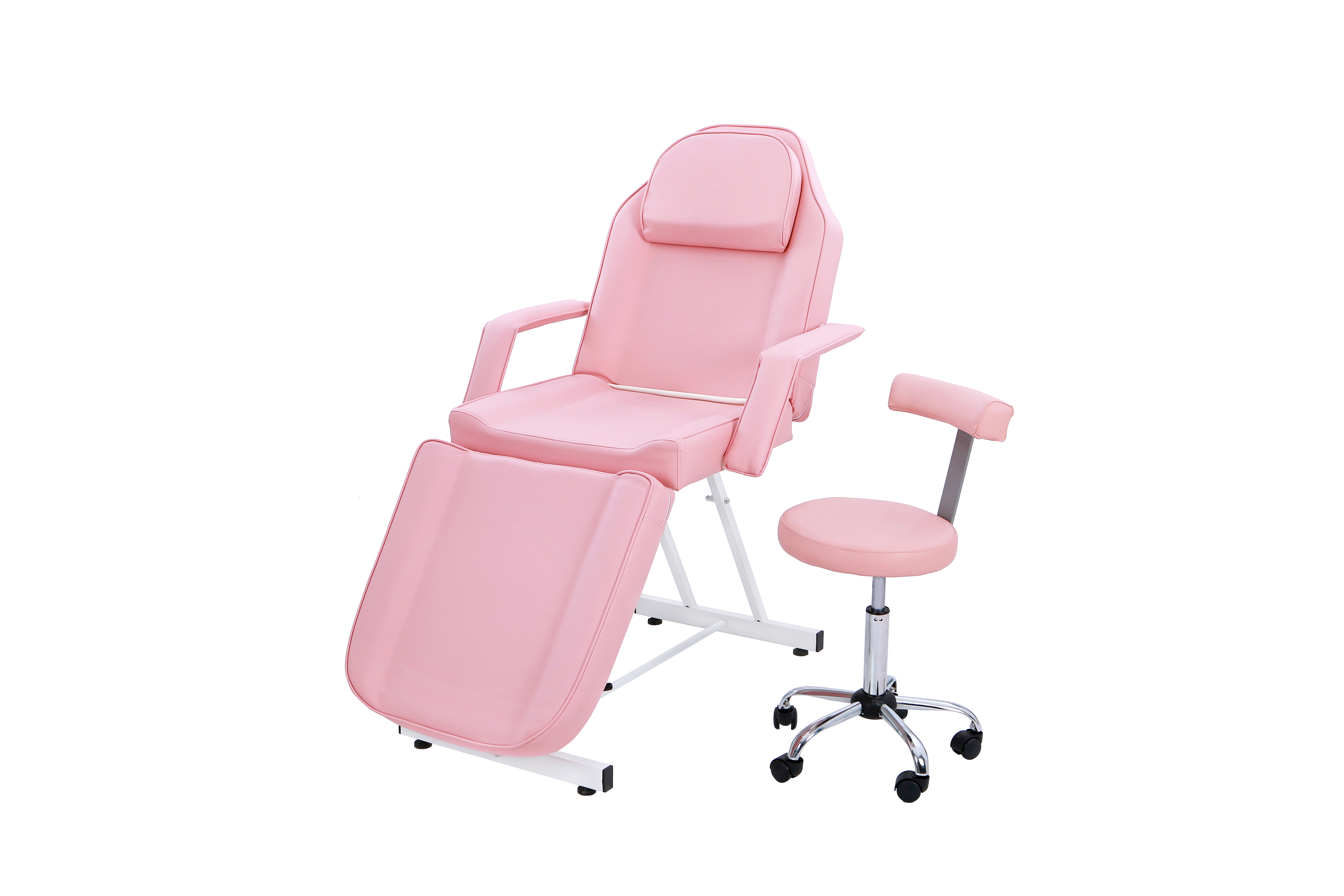
Manual massage beds rely on hydraulic pumps or manual levers for adjustments. While they’re straightforward to use, they require physical effort from therapists. A wellness center in Chengdu I worked with used manual massage beds for years; therapists often had to pause treatments to readjust the bed, disrupting the flow. Manual models like Hongzi Beauty’s HZ010 still offer 180° adjustability and high density sponge comfort, but they’re better suited for low volume settings. Dr. Sarah Lee, a spa operations expert, explains, “Electric massage beds streamline workflows by reducing physical strain and ensuring precise positioning—this is a game changer for busy clinics.”
Comfort and Customization for Clients
Client comfort is non negotiable, and both electric and manual massage beds deliver—but in different ways. Electric massage beds excel at customization, with programmable memory settings that let therapists save preferred positions for repeat clients or specific treatments. Hongzi Beauty’s electric models also offer smooth, quiet adjustments, so clients aren’t jarred during relaxing treatments. A luxury spa in Shanghai I consulted with noted that clients frequently commented on the seamless adjustments of their electric massage beds, calling the experience “spa like from start to finish.”
Manual massage beds, while comfortable, have limitations in customization. Adjustments are less precise, and sudden movements (like lifting a backrest) can break relaxation. However, high quality manual models still provide excellent comfort through features like detachable armrests and secure locking mechanisms. The International Spa Association (ISA) conducted a client survey and found that 72% preferred electric massage beds for longer treatments, citing consistent comfort and minimal disruption. For shorter sessions like quick facials, manual models were deemed equally satisfactory.
Durability and Maintenance Requirements
Both electric and manual massage beds are built to last, but their maintenance needs vary. Electric massage beds have more moving parts—motors, wiring, and remote controls—which means occasional maintenance is necessary. However, reputable brands like Hongzi Beauty use high quality components that reduce breakdown risks. I helped a wellness center in Suzhou maintain their electric massage beds with annual inspections, and they’ve remained in top condition for five years. The key is to choose models with reliable motors and clear maintenance guidelines.
Manual massage beds have fewer mechanical parts, making them low maintenance. Hongzi Beauty’s manual massage beds, such as the KF609W, feature durable PVC leather and sturdy frames that withstand daily use without frequent repairs. A small salon in Ningbo used these manual models for eight years with only minor upkeep—replacing worn armrest pads and lubricating levers. The Salon Equipment Manufacturers Association notes that manual massage beds have a slightly longer average lifespan (10 12 years) compared to electric models (8 10 years), but this gap narrows with proper maintenance.
Cost Considerations and ROI
Budget is a major factor for most businesses, and here’s where manual massage beds have an edge. Manual models are typically 30 50% cheaper upfront than electric ones. For new spas or those with limited funds, this can be a deciding factor. A startup spa in Wenzhou I advised chose manual massage beds to keep initial costs low, and they worked well until their client volume doubled. However, it’s important to factor in long term costs—manual beds can lead to higher therapist turnover due to physical strain, which is costly to address.
Electric massage beds have a higher upfront cost but offer strong return on investment (ROI) for busy businesses. The time saved on adjustments translates to more clients served per day, and happier therapists stay longer. Hongzi Beauty’s electric massage beds enhance therapist efficiency by 40%, according to client feedback. A mid sized spa in Guangzhou calculated that their electric massage beds paid for themselves in 14 months through increased bookings and reduced turnover. Business consultant Mark Chen says, “Electric massage beds are an investment in productivity—they make sense for spas doing 15+ treatments per day.”
Which Is Right for Your Business?
The choice between electric and manual massage beds ultimately depends on your specific needs. Electric massage beds are ideal for high volume spas, busy wellness clinics, or luxury salons where client experience and therapist efficiency are top priorities. They’re also great for facilities offering long or complex treatments like body wraps or physical therapy, where precise positioning is key. If you have the budget and serve a steady stream of clients, electric models will save you time and money in the long run.
Manual massage beds are perfect for small salons, mobile therapists, or startups with tight budgets. They’re also a good fit for facilities with low treatment volume or those offering short sessions like eyebrow threading or quick massages. A mobile therapist in Hangzhou swears by her manual massage bed—its lightweight design makes transport easy, and she rarely needs to adjust it mid treatment. When choosing, consider your daily client count, treatment types, and team’s physical capacity.
Conclusion
Electric and manual massage beds both have their place in the wellness industry, but they cater to different business needs. Electric models offer convenience, customization, and efficiency, making them worth the investment for busy, client focused businesses. Manual models are cost effective, low maintenance, and practical for smaller operations or mobile services.
Brands like Hongzi Beauty excel at both types, offering high quality manual massage beds with reliable hydraulic controls and electric models with smooth, quiet adjustments. Whichever you choose, prioritize comfort, durability, and alignment with your business goals. From my years of experience, the best massage bed is the one that works for both your team and your clients—reducing stress for therapists and enhancing relaxation for those on the table.
Whether you opt for the convenience of electric or the simplicity of manual, investing in a quality massage bed is essential for building a reputable wellness business. Take the time to assess your needs, test different models, and consider long term ROI. With the right massage bed, you’ll create a better experience for everyone and set your business up for success.