EN
EN



How to Select the Right Massage Bed
Match Massage Bed Type to Your Service Model and Modality
Portable vs. Stationary Massage Beds: Optimizing for Mobile Therapists or Clinic-Based Practices
Massage therapists who travel need portable beds that won't weigh them down, something around 30 pounds max would be great. The best ones fold up easily and come with their own carrying case so everything stays together. They make sense for visiting clients at home, doing wellness workshops in offices, or setting up at events, even though these models tend to wobble a bit more than what's ideal. Clinical settings tell a different story though. Stationary massage tables there are constructed with heavy duty steel frames and can handle much more weight, often over 500 pounds. These tables stay rock solid during intense treatments like deep tissue work or when dealing with musculoskeletal issues. Most clinics have tables with hydraulic or electric adjustments that let therapists change heights quickly between appointments. This saves time throughout the day, maybe around five to ten minutes total depending on how busy things get, which adds up over weeks and months of practice.
Reclining, Flat, or Hybrid Designs: Alignment Support for Swedish, Deep Tissue, and Specialty Modalities
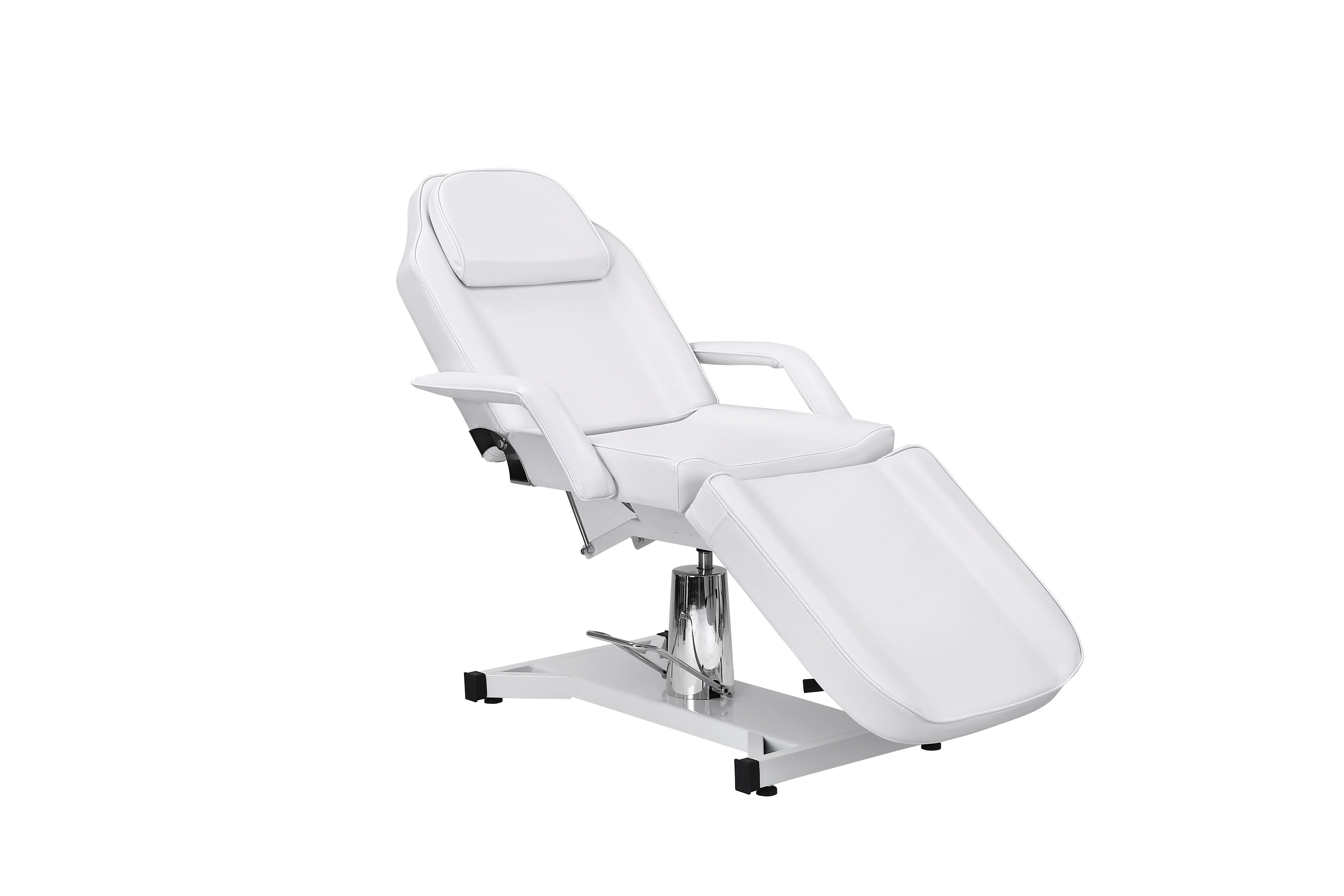
Massage tables with flat surfaces provide uniform pressure across the entire body, making them great for Swedish massage techniques, structural integration work, and pretty much anything else that needs even weight distribution. Reclining tables with adjustable backrests ranging from upright to almost horizontal positions let therapists position clients comfortably for things like prenatal massage, focusing on the upper body, or just keeping someone relaxed during longer sessions. Some hybrid models come with special features like movable sections, shelves that lower down for arms, or segmented bases that can be adjusted separately. These extra touches make all the difference sometimes - the shelf helps get limbs positioned just right for those deep tissue releases, and the recline function is perfect when doing those gentle stretches characteristic of Thai massage. When picking out equipment, think about what kind of work dominates your practice: stick with flat tables if you mostly do whole body sessions, but consider reclining or hybrid options if your practice involves lots of different positions and techniques.
Ensure Therapist and Client Ergonomics with Smart Adjustability
Height Adjustment Range and Clinical Workflow Efficiency
Adjustable electric height from 15 to 30 inches helps therapists keep their backs straight while working through all sorts of treatment methods, which cuts down on the constant ache from hunching over or stretching too far. A recent study published in an ergonomics journal back in 2023 found that massage professionals who switched to these adjustable beds experienced about 40% less shoulder pain after spending five hours on the job. Getting in and out of different positions happens much faster when the bed can be set just right. Plus, those memory settings on modern hydraulic or electric models save therapists around 8 to 12 minutes each day adjusting things manually. That extra time adds up fast, letting them see more clients throughout the day without having to sacrifice either patient safety or their own comfort level during treatments.
Width, Length, and Face Cradle Options for Inclusive Client Comfort and Safety
Most adults find standard widths between 28 and 30 inches comfortable, though there are expandable versions going all the way up to 36 inches that really help with stability and overall comfort for bigger folks. When it comes to length, adjustable options ranging from 70 to 84 inches make sure taller people don't end up with their ankles bending too far back during sessions. The face cradle can be adjusted in depth and angled differently which helps keep the neck aligned properly instead of twisting awkwardly. These special cutout style cradles have been designed with just the right shape to take pressure off the trigeminal nerve area where many people experience discomfort halfway through their session. This makes lying face down much more tolerable for longer periods. For those concerned about hygiene or breathing issues, we offer removable memory foam cushions covered in materials that are easy to clean and won't trap allergens or bacteria.
Assess Structural Integrity and Material Quality for Long-Term Reliability
A massage bed’s durability directly affects client safety, professional credibility, and long-term operational cost. Robust construction prevents premature failure, maintains consistent performance under daily use, and reinforces trust in your clinical environment.
Frame Construction: Steel, Hardwood, and Reinforced Laminate—Load Capacity and Stability Comparison
Steel frames can hold over 500 pounds and really stand up to flexing or vibrations, which is why most clinics that do deep tissue work, sports therapy, or rehabilitation stick with them. Hardwood has a nice firm feel and looks warm in any space, but it needs proper storage conditions to prevent warping or gaps between the pieces. Reinforced laminate is another good option since it resists moisture pretty well and lasts longer than many alternatives, although it generally cant handle as much weight as steel. No matter what material gets chosen, adding cross bracing makes a big difference. Welded connections or traditional mortise and tenon joints also help keep things stable when therapists perform stretches or resistance exercises where patients push back against the frame.
Upholstery Materials: Medical-Grade Vinyl, PVC, and Premium Leather for Durability and Infection Control
In hospitals across the country, medical grade vinyl still holds its place as the go to material for surfaces that need to stay clean. Why? Because it doesn't absorb liquids, resists tearing, and works well with those strong hospital disinfectants we all know about - think alcohol based stuff and hydrogen peroxide mixtures. Then there's PVC which is cheaper option for waterproofing needs, though it tends to break down quicker when exposed to sunlight or harsh chemicals over time. For those who want something nicer to touch, premium leather provides that luxurious feel plus better air circulation, although it requires special care. Need to use only pH neutral cleaners and condition it regularly to stop it from cracking. And here's what makes these materials stand out: studies show that surfaces treated with antimicrobials cut down on bacteria spread by around 70% versus regular untreated fabrics. That finding comes from research published last year in the Journal of Clinical Ergonomics.
Optimize Hygiene, Comfort, and Daily Usability
Good hygiene starts at the design stage. Medical grade vinyl that doesn't absorb fluids makes cleaning much easier after each client visit, which is really important for busy clinics trying to stay compliant with infection control standards. When it comes to comfort, the chairs have multiple layers of memory foam that spread out pressure during long sessions. The top layer fabric lets air circulate and won't irritate sensitive skin either. Practical day to day use depends on how easy things are to operate. Adjusting chair height without tools means faster setup between appointments. Locking wheels keep everything stable even on wobbly floors. And when space matters, the compact folding design works great in rooms where several therapists share the same area. All these thoughtful details help keep clients coming back again and again, not because of fancy ads, but simply because they know they'll get safe, comfortable treatment every time.