EN
EN



Creating a Spa Feel with a Massage Bed
Choosing the Right Massage Bed for Therapeutic Comfort and Spa Ambiance
Ergonomic Adjustability and Contoured Support for Client Relaxation
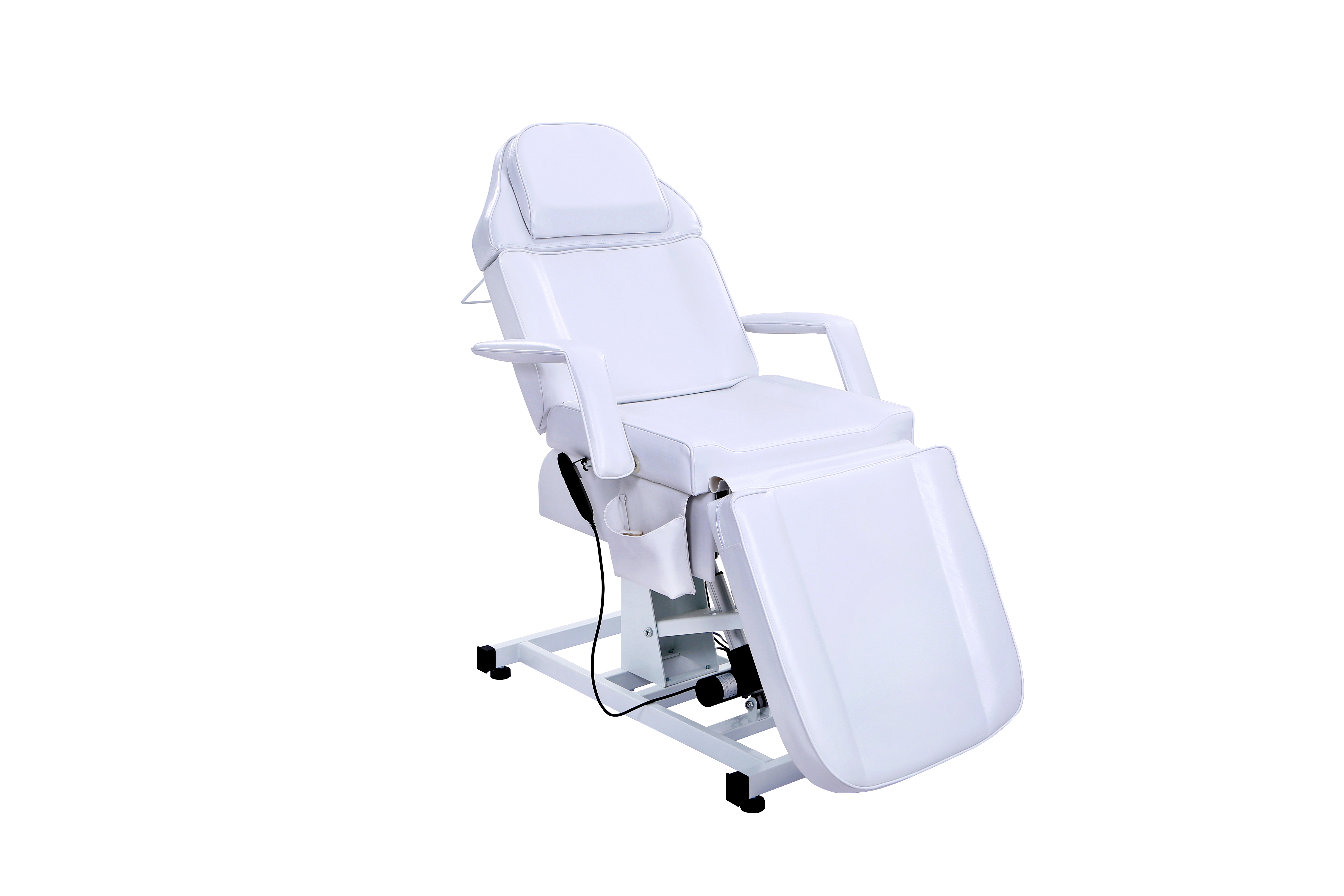
The way a massage bed conforms to different body types really affects how effective the treatment ends up being. When shopping around, pay attention to beds that offer separate adjustment options for the head area, back section, and legs specifically. These features help keep the spine in its natural position regardless of someone's build. Beds with specially shaped contours and areas designed to relieve pressure points tend to reduce stress on joints when people receive longer massages. This matters because nobody wants their session interrupted by unnecessary discomfort or have the therapist constantly readjusting positions. Good ergonomic design does more than just improve the quality of care though. Clients actually stick around longer when they feel comfortable. Research shows something interesting here too – about a quarter of customers return for follow-up appointments simply because they enjoyed the overall comfort level during their first visit.
Premium Materials: High-Density Foam, Temperature-Neutral Upholstery, and Quiet Mechanisms
The materials used make all the difference when it comes to both how well something works clinically and how nice it feels to touch. Foam that's at least 2.5 pounds per cubic foot gives solid support over time without squishing down completely, something regular polyurethane just can't match since it breaks down about 40% quicker with normal wear and tear. For temperature control, we go with stuff like medical grade vinyl or breathable PU leather because they stay cool even during warm treatments and help keep things clean between customers thanks to their antimicrobial properties. The height adjustments are another big deal point too. Our silent hydraulic system means no annoying clicks or whirs while people relax, which matters a lot considering surveys show around two thirds of clients get really bothered by random noises interrupting their peace. All these little details combine to create that calm, luxurious feeling people expect from high end spas.
Designing the Room Environment to Amplify the Massage Bed’s Spa Effect
Sensory Integration: Soft Lighting, Calming Scents, and Acoustic Control Around the Massage Bed
Real relaxation comes when we thoughtfully design all the senses around the massage bed experience. The lighting plays a big role here too. We use layered warm LED lights that can be dimmed down so there's no harsh glare. Therapists love being able to tweak the brightness depending on whether they're doing deep tissue work or something more gentle and restorative. Throw in some subtle aromatherapy with scents like lavender or chamomile, which most people find really calming. These smells actually affect our brains in ways that help cut down stress levels quite a bit. And let's not forget about sound control either. Adding things like wall panels, ceiling baffles, or just good quality rugs helps bring ambient noise down to comfortable levels around 45 decibels. Studies show keeping it at this level makes the whole parasympathetic response last longer, so clients can really get into their session without distractions.
Color Schemes and Textural Layers That Reinforce Tranquility and Professional Trust
The colors and textures we choose speak volumes about how safe and professional a space feels without saying a word. Start by grounding the environment in calming neutrals like warm beiges, soft grey tones, or those gentle greens that just seem to relax the body. Once that foundation is set, introduce some depth through carefully placed accents such as rich navy blues or earthy terracotta shades. When it comes to creating a pleasant tactile experience, think about combining breathable natural fabrics on massage tables with other interesting textures around them. Maybe something like woven rattan seating areas next to shelves with real stone details, or those slightly rough textured area rugs that add character. These layered choices show someone cares about every little detail and makes clients feel comfortable right away. According to clinic owners who have stuck with consistent color schemes throughout their spaces, they tend to keep customers coming back about 30% more often than those without this kind of thoughtful design approach. People form opinions based on what they see and feel long before they ever actually get touched during treatments.
Optimizing Spatial Layout for Seamless Flow and Enhanced Massage Bed Functionality
Good spatial planning makes a big difference for both therapists and clients during sessions. Keep at least four to six feet of open space around the massage table so people can move freely without bumping into each other. Divide the room into distinct areas one for actual treatments and another for walking through. Storage cabinets should be close enough that therapists don't have to walk far to grab linens but tucked away where clients won't see them. The table placement matters too it should sit in a position where the therapist doesn't twist awkwardly while working on different parts of the body. There needs to be room on either side for making adjustments to tools and performing those full body stretches properly. When everything is arranged thoughtfully like this, there's noticeably less wasted motion during sessions. Therapists stay focused longer and clients get to enjoy their time without being distracted by unnecessary noise or visual clutter from someone scrambling around the room.
FAQ
What materials are recommended for massage beds?
High-density foam, medical grade vinyl, and breathable PU leather are recommended for comfort and temperature control.
How important is the spatial layout in massage therapy rooms?
The spatial layout is crucial for seamless flow and functionality, allowing therapists to move without restriction and ensuring client comfort.
Why are color schemes vital in spa environments?
Color schemes can reinforce tranquility and professional trust, making clients feel more relaxed and comfortable.