EN
EN



Creating Comfort with a Good Beauty Bed
Ergonomic Design: Protecting Practitioner Health While Enhancing Client Support
Lumbar, neck, and posture alignment essentials for repetitive treatment workflows
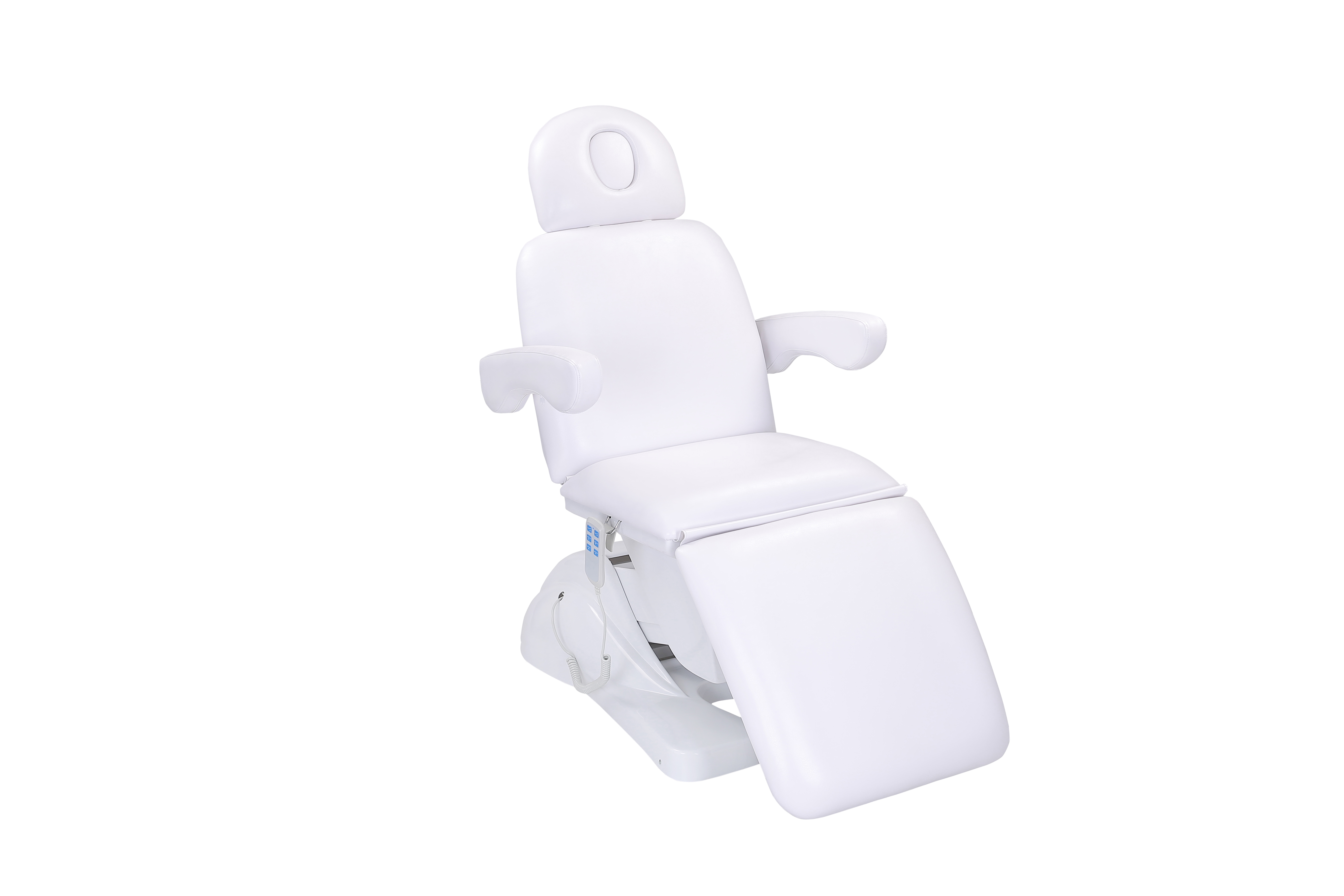
Getting the spine aligned right on a beauty bed really matters when it comes to avoiding those long term muscle and bone injuries from all those hours working on clients. The numbers are pretty telling too - around two thirds of estheticians end up with some sort of work related back or joint problems without proper ergonomic support, as noted by ISSE research last year. What makes a good bed? Look for those curved lower back supports that actually cut down on disc pressure by about 40%. Then there's the neck area where a decent cradle keeps things from getting strained. And don't forget the space between the knees so hips can move naturally during treatments like facials or exfoliating sessions. All these little details make a big difference. Practitioners feel less tired after their shifts and clients stay safer throughout their appointments. Salons that switched to these better designed beds saw something interesting happen too - their staff took 22% fewer days off because of health issues.
Adjustability as clinical necessity—not luxury: evidence from ISSE 2023 and WHO musculoskeletal guidelines
Adjustable height and tilt features aren't just nice to have in medical equipment—they're actually required based on clinical standards. According to the World Health Organization's latest guidelines from 2023, certain specifications must be met. For example, backrests need to elevate between 15 and 30 degrees to help with proper lymphatic flow. The bed should sit somewhere between 55 and 65 centimeters off the ground so doctors and nurses of different heights can work comfortably. And there's also the Trendelenburg position needed for specific vascular work and complex beauty treatments. A report published by ISSE in 2023 found that when these adjustments are available, tendon strain drops by about 57 percent during repetitive tasks such as extracting teeth manually. Considering around one third of healthcare workers mention physical discomfort as their main reason for thinking about leaving their jobs, getting beds that adjust properly makes sense both medically speaking and for keeping staff happy long term.
Beauty Bed Materials That Deliver Both Safety and Sensory Comfort
High-density vs. memory foam: pressure redistribution data and hygiene implications
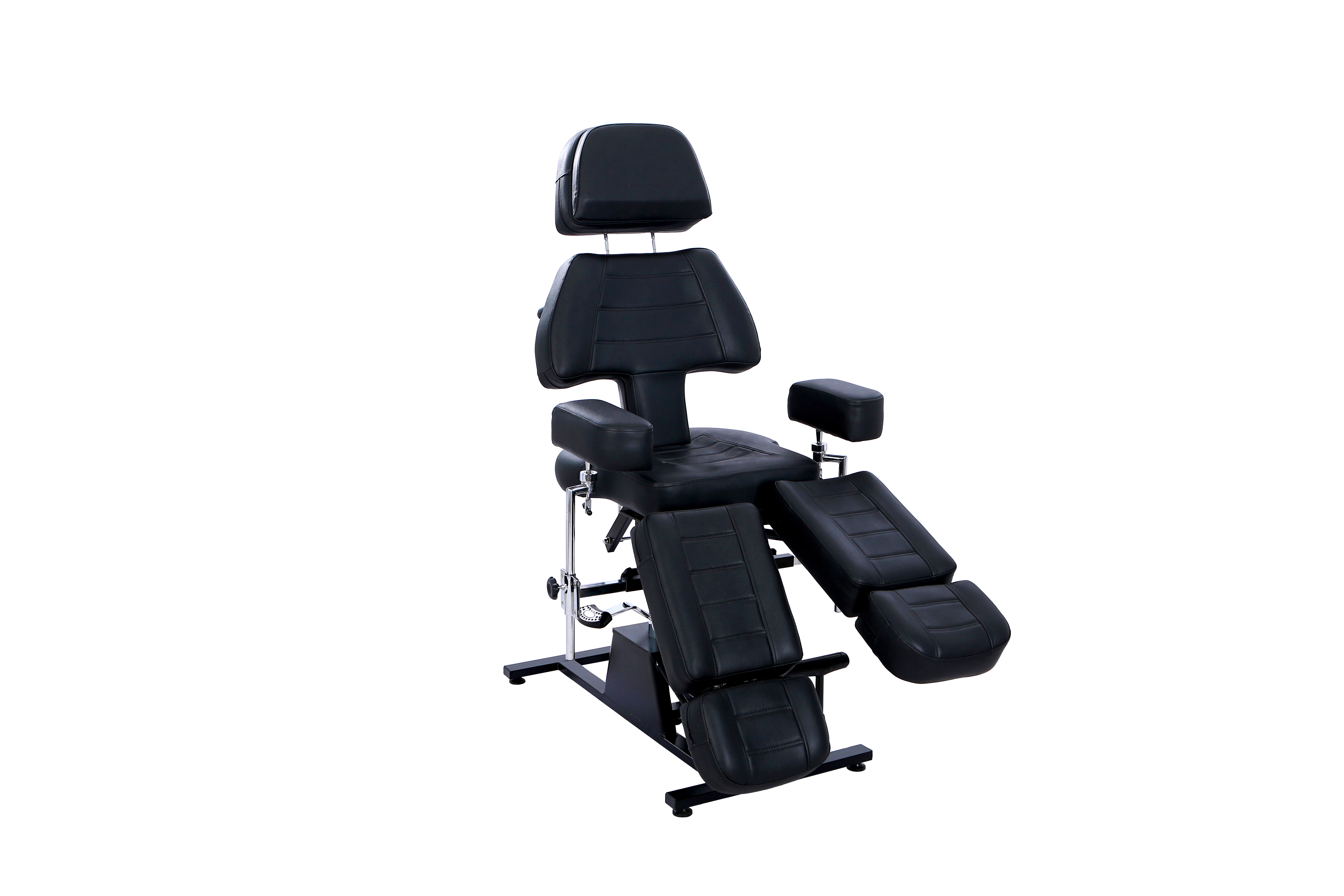
Dense foam provides much better support for all those repeated manual therapies we do day in and day out. Studies from Ergonomics Journal last year showed it cuts down on pressure spots by around 15 to 20 percent when compared regular padding materials. Practitioners can work longer without getting sore, and clients generally don't complain as much after lengthy sessions either. Memory foam does conform nicely to body shapes though, but there's a catch. The cell structure actually holds about three times more moisture than dense foam options, which becomes a real problem for infection control. That's why most clinics and medical spas prefer working with dense foam products instead. Their smooth, non-porous surfaces make cleaning easier and fit right in with CDC guidelines for maintaining safe treatment areas.
Antimicrobial, vinyl-free PU leather: meeting infection control standards without compromising tactile appeal
The antimicrobial properties of polyurethane (PU) leather make it a safer alternative to regular vinyl that often contains harmful phthalates. Testing shows it can cut down on microbes by over 99.9% according to those ISO 22196 standards. What's really impressive is how this material stands up to harsh hospital disinfectants without cracking or breaking down, which means better protection from infections between different users. Compared to the cold feel of typical medical surfaces, PU leather has a gentle texture that feels warm and soft to touch. Research into customer perceptions suggests around two thirds of people actually think it resembles high end fabrics when they run their hands over it. This combination of being both safe and comfortable makes a big difference during sessions, helping reduce anxiety levels and creating stronger emotional connections. Clients tend to stick around longer because they simply enjoy the experience more.
How a Thoughtfully Selected Beauty Bed Drives Measurable Business Outcomes
Extended session times, higher retention, and reduced no-shows: real-world spa performance metrics
A strategically selected beauty bed delivers tangible ROI beyond ergonomics and aesthetics. Industry benchmarking shows spas that upgraded to premium, ergonomically optimized beds experienced:
- 22% longer average session times—enabling deeper treatment protocols and higher service value
- 18% fewer last-minute cancellations—attributed to improved client comfort and pre-session confidence in facility standards
These outcomes reflect a broader pattern: when practitioners move with less strain and clients feel physically supported, both satisfaction and operational efficiency rise in lockstep.