EN
EN



Best Vintage Barber Chairs for Salons
Why Vintage Barber Chairs Define Barbershop Aesthetics and Branding
The Timeless Appeal of Vintage Barber Chairs in Modern Salon Design
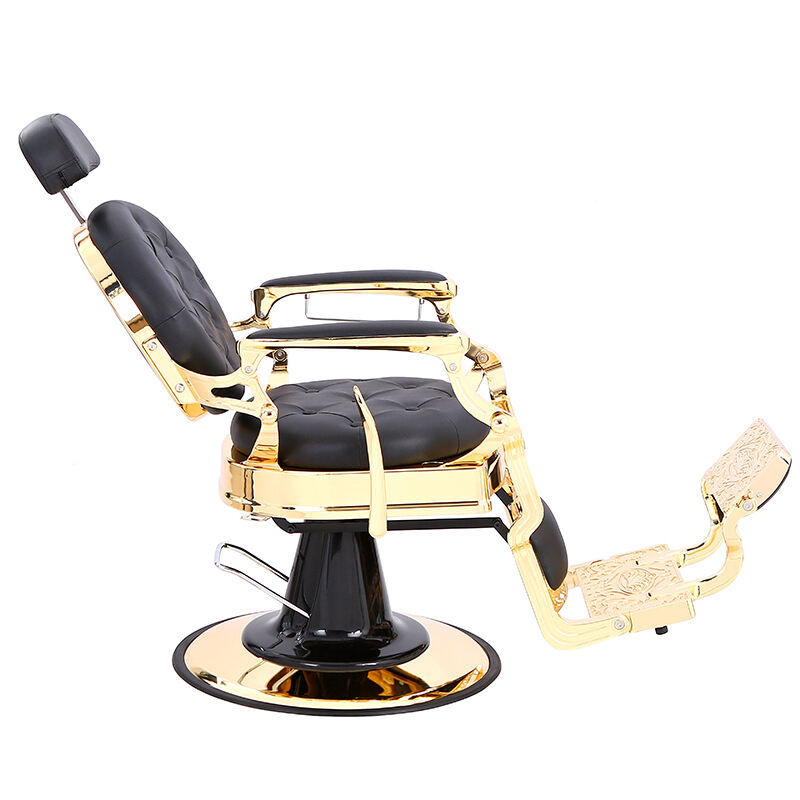
Old school barber chairs have become something special in today's salons - they're not just seats but actual works of art that bridge old world craftsmanship with modern style. The fancy brass trimmings and those beautifully stitched leather seats really stand out in ways that most new furniture just can't match. According to a survey from last year called the Salon Design Impact Study, around 8 out of 10 customers see these vintage chairs as must haves for any high end barber shop. People link them with places where every little detail matters. These chairs bring a sense of history into the space without clashing with newer design elements. Many shops pair them with things like brick walls showing through plaster or sleek LED lights that actually make the old fashioned look even better instead of fighting against it.
How “Vintage Barber Chair” Enhances Customer Perception and Shop Identity
People just seem to connect old school barber chairs with real skill somehow. There's something about running hands over that worn leather and feeling the solid weight of those steel frames that makes folks think these things last forever. A recent survey found that around two thirds of customers would actually shell out 15 to 20 percent extra bucks if their haircut happened in one of those classic retro chairs. From a business standpoint, these antique seats become part of the storytelling. Take a chair from the 1920s with its original hydraulics still working – it tells a much better tale than any generic modern furniture could ever hope to match. This helps barbershops stand out when competition gets tough in local markets.
Using Classic Design to Strengthen Brand Authenticity and Client Loyalty
Salons that use old school barber chairs see around 40% better customer retention according to Salon Business Journal from last year, because people just connect emotionally with those designs. When folks walk into a place with classic seating, they get the feeling the business cares about lasting quality instead of jumping on every passing trend. And this really helps with branding too many salon goers snap pictures of the chairs when they visit, which ends up promoting the shop all over social media without any extra effort. Choosing furniture that matches the overall vibe and history of the brand creates something special it builds communities of real fans instead of just getting one time customers who only care about their haircut.
Defining Features of Authentic Vintage Barber Chair Styles
Ornate Metalwork, Brass Accents, and Hand-Stitched Leather as Signature Elements
What makes vintage barber chairs so special is how they combine quality materials with beautiful details. Brass was everywhere on these old chairs - from the footrests to the armrests and even the little handles. But it wasn't just for looks. Back when barbers had to deal with all sorts of germs before modern disinfectants, brass actually helped keep things cleaner since it has natural germ fighting properties. The base designs are pretty amazing too, with those fancy scroll patterns that remind people of Art Nouveau and Art Deco styles. And let's not forget about the leather seats. These weren't mass produced like today's synthetic stuff. Real leather gets better with age, developing that unique color and texture that no plastic imitation can ever match after sitting in a shop for 50 years or so.
Hydraulic Lifts, Reclining Backs, and Ergonomic Comfort in Retro Functionality
Many old school hydraulic lift systems from before the 1960s still work great in vintage barber chairs that get proper care thanks to those heavy duty brass pistons and solid steel frames that never rust away. The old fashioned reclining parts aren't like today's plastic coated handles either. They used real forged steel ratchets which allowed barbers to adjust angles just right for customers sitting through lengthy appointments such as traditional straight razor shaves where positioning matters a lot. Back then, the curved back supports were typically stuffed with natural materials like horsehair or coconut fiber. These designs actually supported good posture long before anyone started putting "ergonomic" on product labels as if it was some new discovery instead of something people have known works for ages.